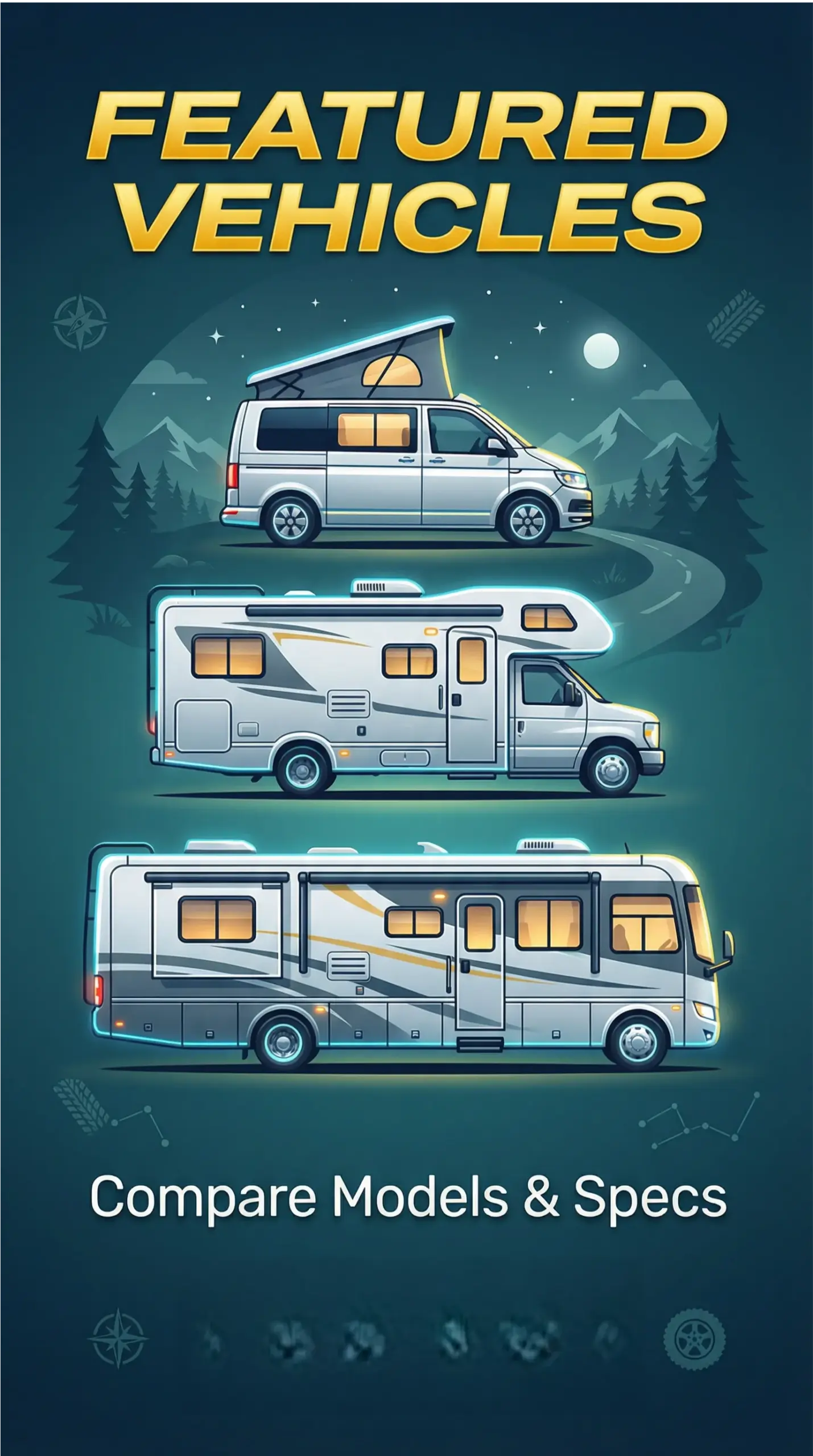
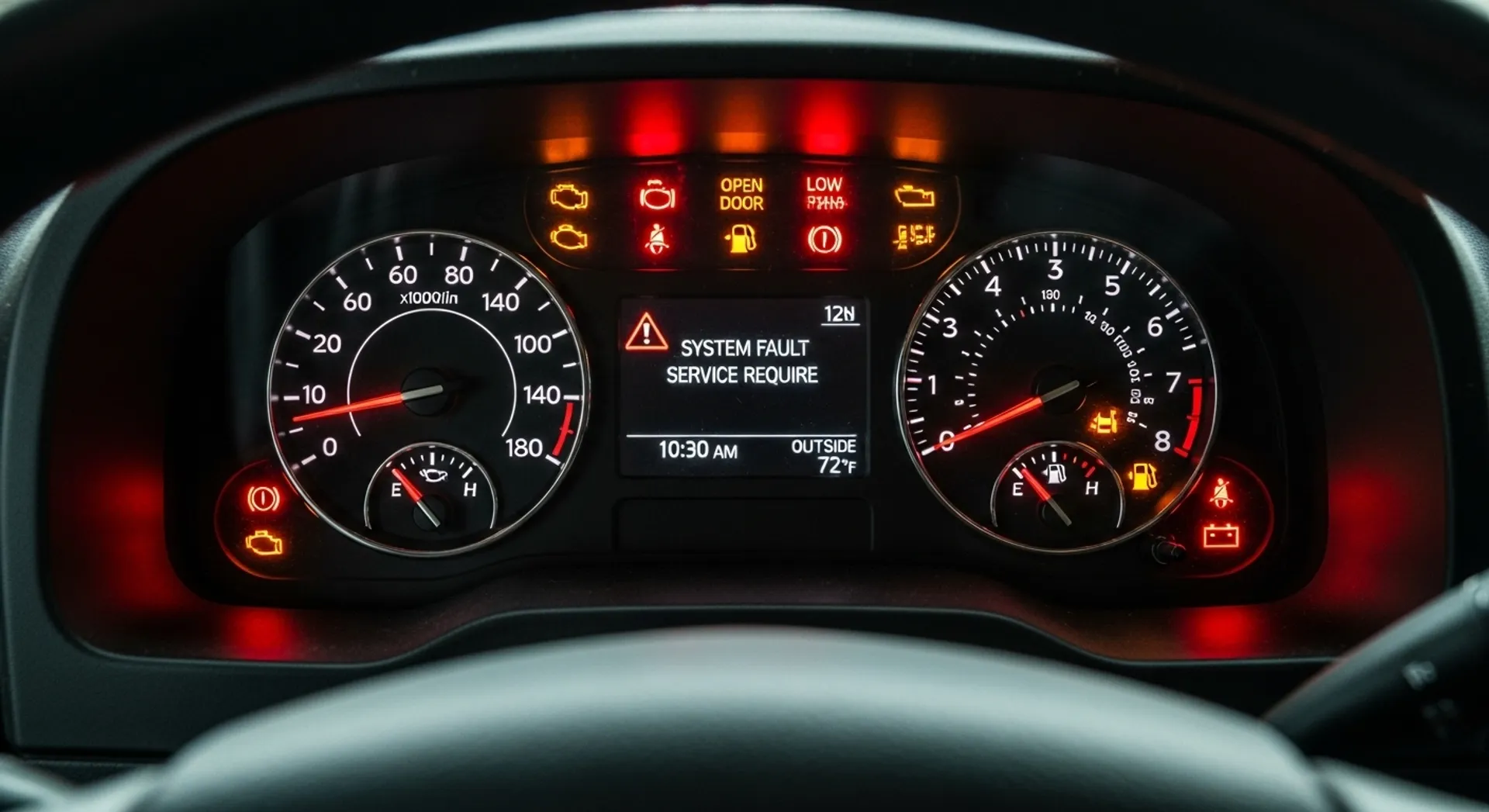
RV warning lights and dashboard indicators are critical tools for monitoring the health and safety of your campervan, Class C, or Class A motorhome. Understanding what each light and symbol means helps prevent breakdowns, engine damage, and costly repairs while on the road.
Whether you’re a new RV owner or a seasoned traveler, knowing how to interpret dashboard alerts ensures a safer and more comfortable journey. For comprehensive information about different RV types and their specific systems, explore our RV vehicles guide.
Why RV Warning Lights Matter

Modern RVs have complex electrical and mechanical systems, including engines, generators, braking, water, and electrical systems. Warning lights alert you to conditions that require attention before a minor issue becomes a major problem.
Common Consequences of Ignoring Warning Lights
- Engine overheating or failure
- Brake system malfunctions
- Battery or charging system issues
- Water or propane system faults
- Unsafe driving conditions
Types of RV Dashboard Warning Lights
Engine and Powertrain Indicators
These lights are usually red or amber and include:
- Check Engine Light — indicates engine or emission issues
- Oil Pressure Warning — signals low oil pressure or pump failure
- Battery/Charging System Light — shows battery or alternator issues
- Transmission Temperature — alerts to overheating transmission fluid
Brake System Indicators
Brake warning lights indicate:
- Parking brake engaged
- Low brake fluid
- ABS system faults
Water and Waste System Alerts
Many RVs have sensors for:
- Fresh water tank low or empty
- Gray/black water tank full
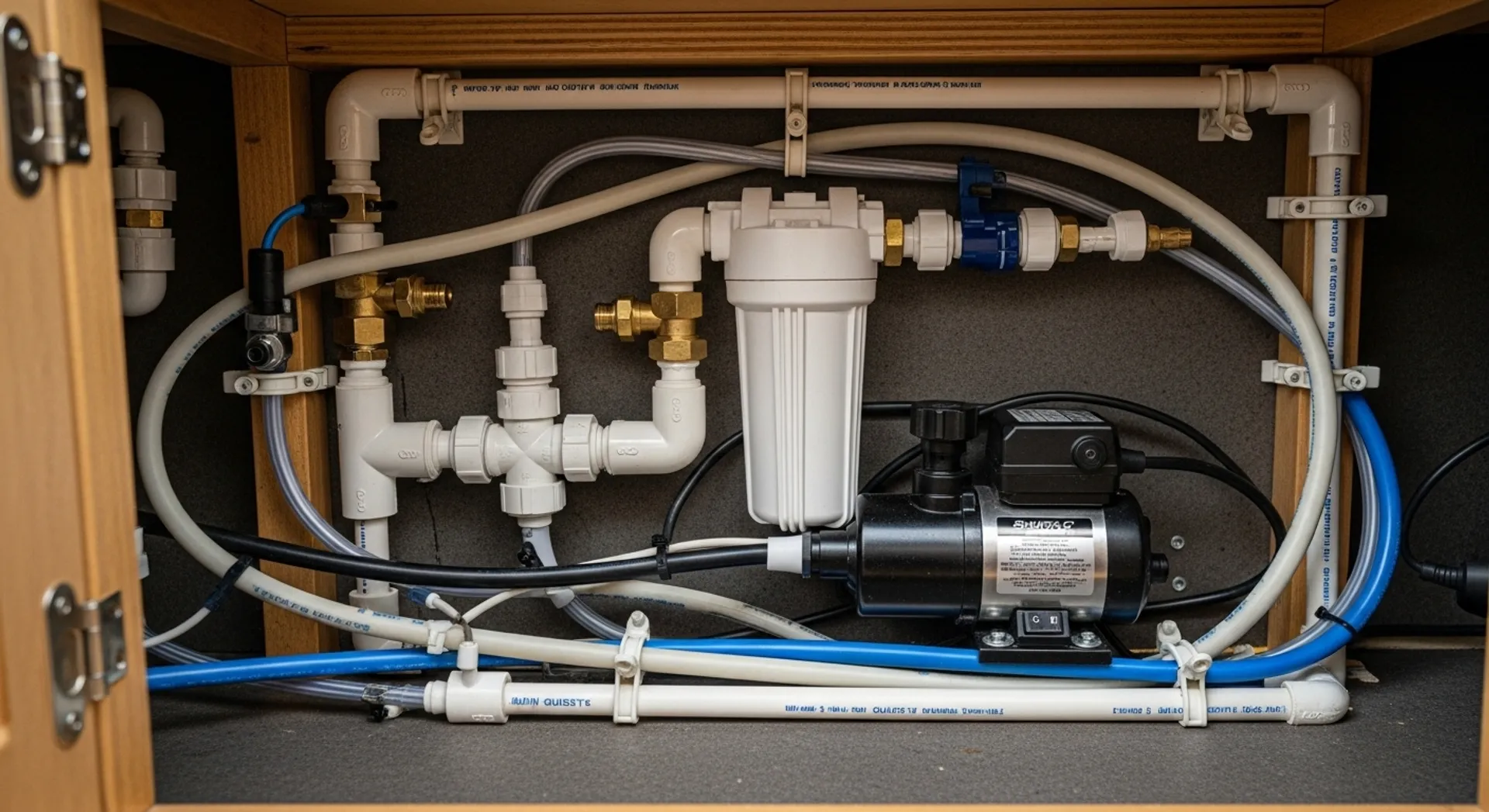
- Water pump operation
Propane and Appliance Warnings
Warning lights may indicate:
- Low propane levels
- Faulty appliance connections
- CO or gas detection alerts (if equipped)
How to Respond to Dashboard Warnings

Red Lights — Immediate Attention
Red lights indicate critical issues. Safely stop the RV, check the problem, and take action before continuing. Ignoring red lights can lead to severe engine or system damage.
Amber or Yellow Lights — Caution
Amber lights indicate non-critical but important alerts. Monitor conditions, schedule maintenance, or investigate minor faults to prevent escalation. For step-by-step guidance on diagnosing these alerts, visit our troubleshooting and diagnostics section.
Green or Blue Lights — Information
These indicate active systems such as cruise control, high beams, or generator operation. They do not typically require immediate action.
Basic Troubleshooting Tips
Consult the Owner’s Manual
Every RV dashboard is slightly different. Refer to the manufacturer’s manual for exact meanings of warning lights.
Perform Visual Inspections
Check oil, coolant, brake fluid, and battery connections when corresponding warning lights illuminate. Look for leaks or loose components.
Check Electrical Systems
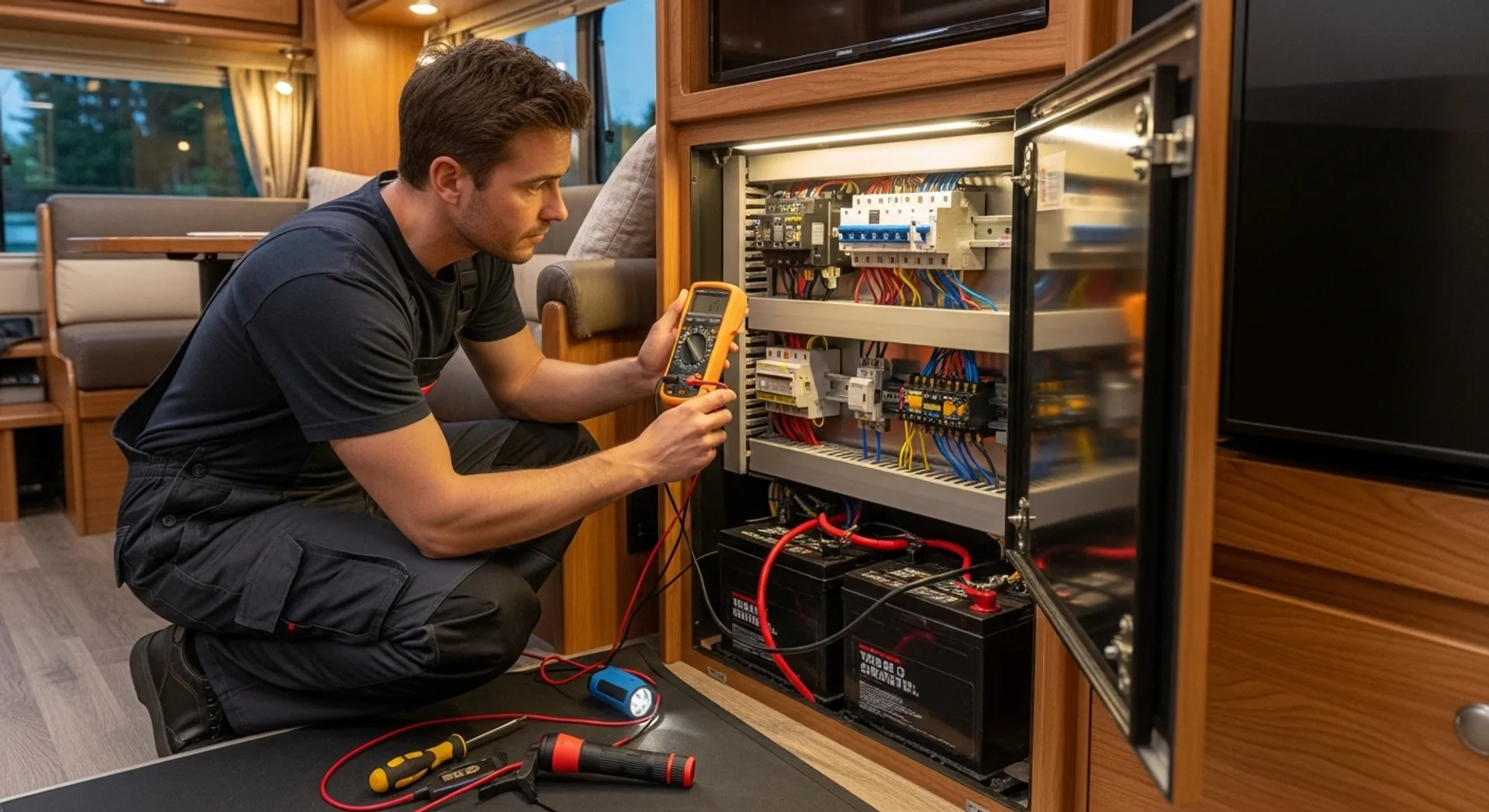
Loose wiring, corroded terminals, or blown fuses can trigger false warnings. Inspect electrical connections and repair as needed. For detailed information on RV electrical systems and common issues, explore our comprehensive guide on RV electrical problems.
Use Diagnostic Tools
Many modern RVs allow OBD2 scanning to read engine or system codes for more precise diagnostics. The National Highway Traffic Safety Administration provides information on OBD2 diagnostic tools.
Preventive Maintenance to Avoid Warnings

Regular Engine and Generator Checks
Follow your maintenance schedule for oil changes, fluid checks, and generator inspections.
Brake and Tire Maintenance
Inspect brake pads, fluid, and tire pressure to prevent system warnings and ensure safe driving.
Water and Propane System Care
Maintain plumbing, tanks, and propane appliances to reduce false alerts and system failures.
Electrical System Monitoring
Regularly test batteries, inverter, and converter operation to prevent dashboard warnings for low voltage or faults. Learn more about maintaining these systems in our preventive care section.
When to Call a Professional
If warnings persist after basic troubleshooting, consult an RV technician. Critical systems such as engine, transmission, or brake failures require professional attention to ensure safety and prevent expensive repairs.
For more RV maintenance and troubleshooting insights, visit our RV Library or return to the Heartland RV Repair homepage to explore guides for campervan, Class C, and Class A motorhomes.