The open road offers unparalleled freedom, but that freedom comes with a significant responsibility to maintain your vehicle. Recently, the recreational vehicle industry has seen a dramatic shift that every owner needs to understand. Reports indicate that 2026 RV recalls are surging at an unprecedented rate. From wiring flaws that pose fire hazards to structural attachment failures, these safety issues affect thousands of motorhomes, travel trailers, and campervans across the country.
Understanding how to navigate this wave of recalls is no longer optional — it is a critical part of responsible RV ownership. Ignoring these warnings can lead to catastrophic failures on the highway, expensive repair bills, and severe safety risks for your family. Therefore, staying informed and proactive is your best defense against these emerging threats.
Why Are RV Recalls Exploding in 2026?
The sudden increase in safety notices is not a coincidence. Several factors have converged to create this perfect storm of manufacturing defects and subsequent recalls. During the pandemic boom, production lines were pushed to their absolute limits to meet skyrocketing demand. Consequently, quality control measures sometimes struggled to keep pace with the sheer volume of units rolling off assembly lines.
Now, a few years later, those rapidly produced vehicles are showing their age and revealing hidden flaws. Furthermore, modern RVs are increasingly complex, featuring advanced electrical systems, intricate slide-out mechanisms, and sophisticated climate controls. As these systems become more complicated, the potential for component failure naturally rises. The National Highway Traffic Safety Administration (NHTSA) has been actively monitoring these trends and issuing mandatory safety notices to protect consumers.
Common Defects Triggering Recent Recalls
While every recall is unique, certain patterns have emerged in the latest batch of safety warnings. Understanding these common issues can help you identify potential problems before they escalate into dangerous situations.
Electrical and Wiring Hazards
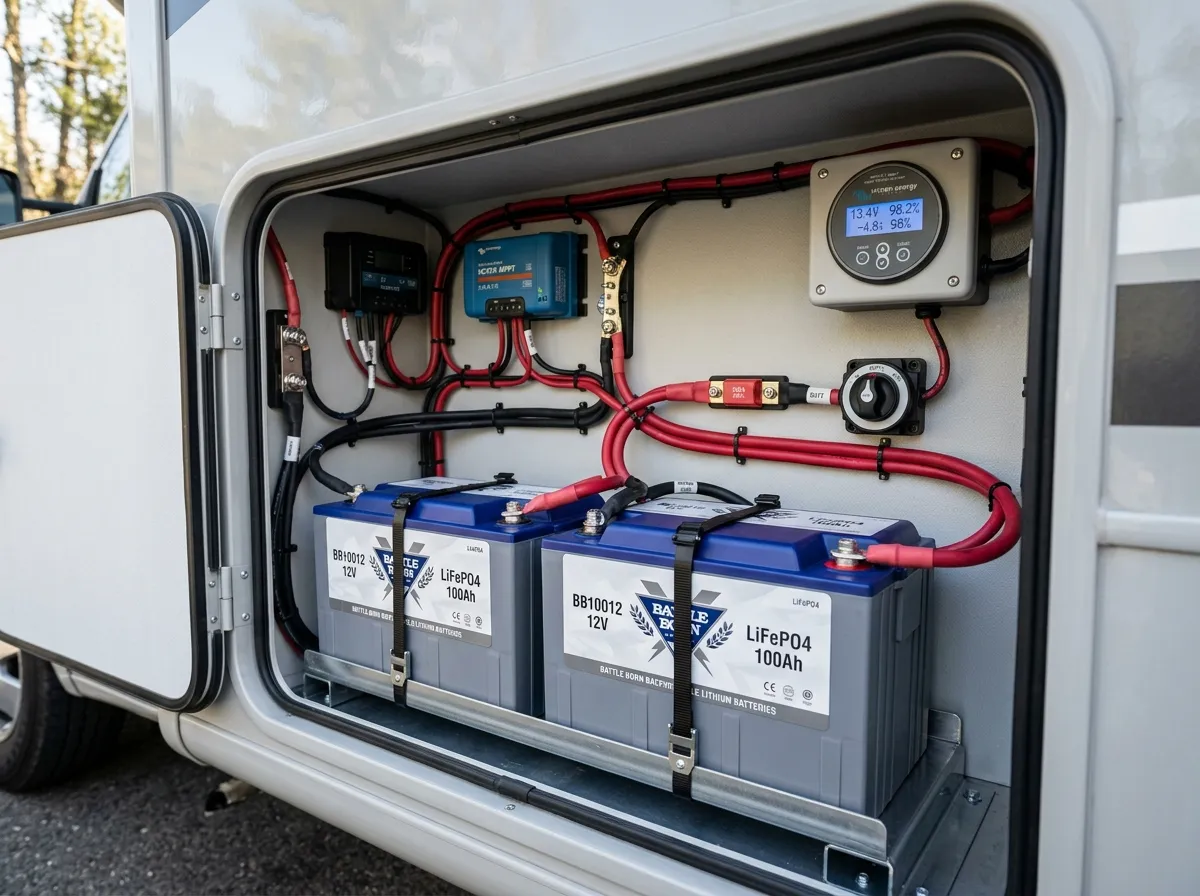
Electrical problems are among the most serious issues currently plaguing the industry. Several major manufacturers have issued warnings regarding improperly routed wires that can chafe against metal frames. Over time, this friction exposes bare copper, creating a severe short circuit and fire risk. If you have ever experienced common RV electrical problems, you know how quickly a minor glitch can become a major headache.
Structural and Frame Failures
Another alarming trend involves the structural integrity of the RV itself. Some models have been recalled due to inadequate welds on the frame or failing attachment points for heavy components like awnings and air conditioning units. These structural weaknesses are particularly dangerous because they can fail suddenly while traveling at highway speeds.
Propane and Appliance Leaks
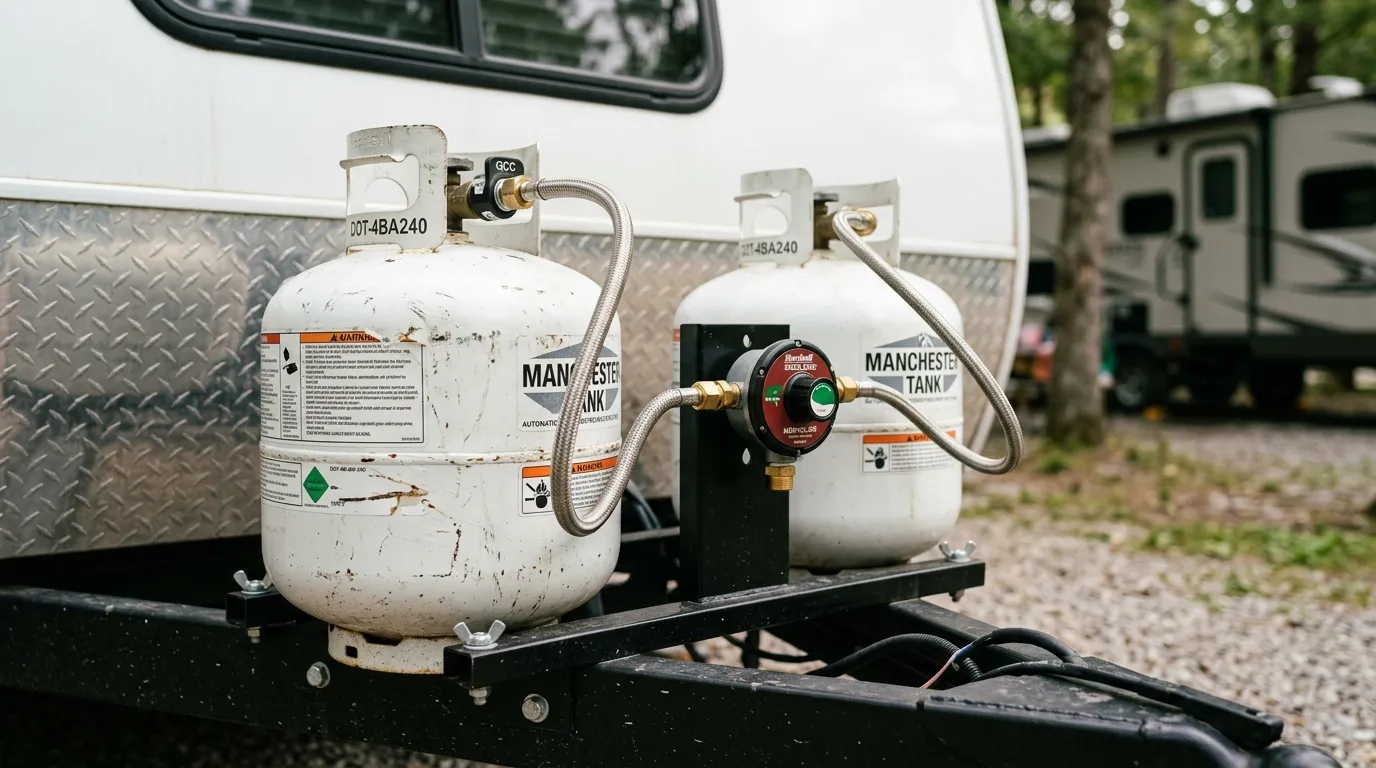
Faulty propane lines and defective appliances continue to be a significant source of safety notices. A small leak in a confined space like an RV can have devastating consequences. Therefore, regular inspections of your gas lines and immediate attention to any unusual odors are absolutely essential for your safety.
[Image 2 here]
How to Check if Your RV is Affected
Waiting for a letter in the mail is not the most reliable way to learn about a safety issue. Mail gets lost, and if you purchased your rig used, the manufacturer might not have your current contact information. Fortunately, taking matters into your own hands is a straightforward process.
Locating Your Vehicle Identification Number (VIN)
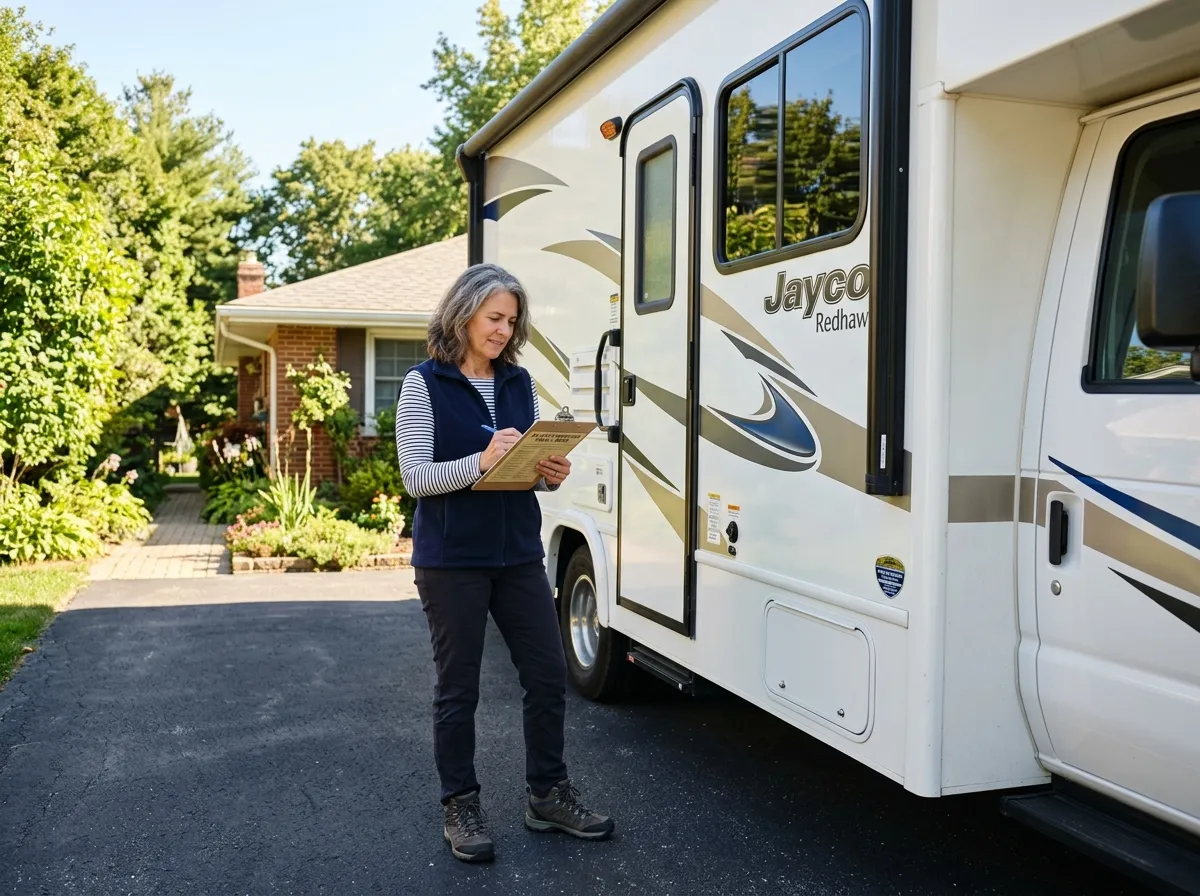
The first step in checking for 2026 RV recalls is finding your Vehicle Identification Number, commonly known as the VIN. This unique 17-character code is the key to unlocking your vehicle’s specific history. You can typically find the VIN in several locations:
Look at the federal certification label, which is usually located on the driver’s side door pillar for motorhomes or on the forward left exterior side for towable trailers. Additionally, your vehicle registration documents and insurance cards will prominently display this number.
Using Official Recall Databases
Once you have your VIN, you can quickly verify your vehicle’s status. The most authoritative source is the federal government’s database. Simply enter your VIN into the official search tool to see any incomplete safety campaigns associated with your specific unit. It is highly recommended to perform this check at least twice a year, perhaps when you are doing your DIY RV pre-trip inspection.
Additionally, most major RV manufacturers maintain their own dedicated safety portals on their corporate websites. Checking both the federal database and the manufacturer’s site ensures you do not miss any critical updates.
What to Do When You Find an Open Recall
Discovering that your beloved home-on-wheels has a safety defect can be stressful. However, panicking will not solve the problem. Following a systematic approach will get your rig fixed and back on the road safely.
Contacting an Authorized Dealer
Your first action should be calling an authorized dealership for your specific RV brand. Do not attempt to fix a recall issue yourself, even if you are handy with tools. Federal law requires manufacturers to repair these specific safety defects free of charge, but the work must be performed by an approved service center.
When you call, have your VIN ready and clearly state that you are calling about an open safety notice. Be prepared for potential delays, as service departments are often overwhelmed when a large campaign is announced.
Managing the Repair Timeline
Patience is crucial during this process. Sometimes, the manufacturer has announced the defect but has not yet distributed the necessary replacement parts to dealerships. In these cases, you will be placed on a waiting list. Ask the service manager for a realistic timeline and inquire if the vehicle is safe to use in the meantime.
If the defect involves a critical system, such as the brakes or a severe fire hazard, you may need to ground your RV until the repair is completed. While this is frustrating, risking your life or your investment is never worth a weekend camping trip.
Integrating Recalls into Your Maintenance Routine
Safety checks should not be an isolated event; they must become a seamless part of your overall maintenance strategy. Just as you regularly monitor your tire pressure and check your fluid levels, verifying your recall status should be a habit.
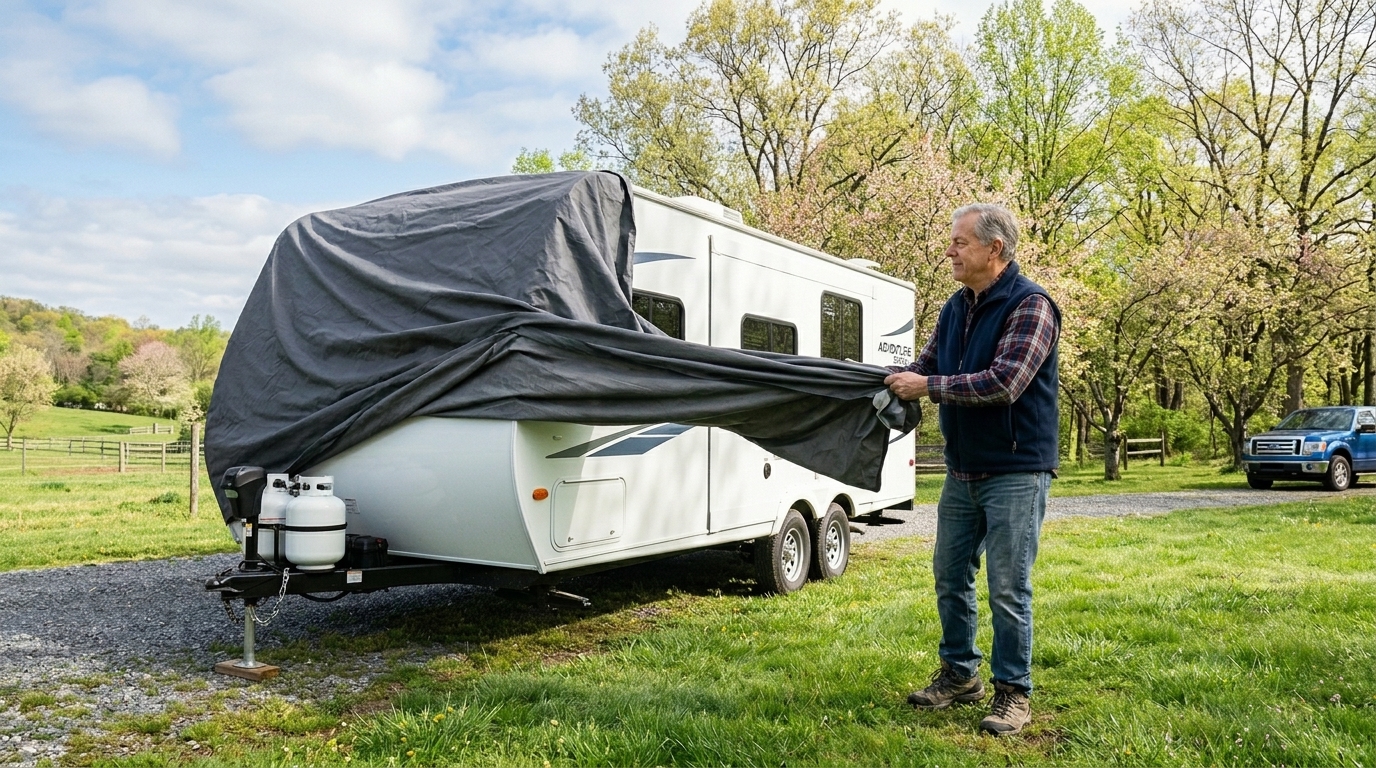
Consider adding a VIN check to your seasonal preparation checklist. For example, when you are preparing your RV for long-term storage, take five minutes to run your VIN through the database. This ensures that any necessary parts can be ordered and installed during the off-season, rather than cutting into your prime travel time.
Furthermore, staying connected with the broader RV community can provide early warnings about emerging issues. Online forums, owner groups, and industry publications like RV Life often discuss potential defects months before an official notice is issued. By staying informed and proactive, you can ensure that your travels remain safe, enjoyable, and free from unexpected mechanical disasters.
The Financial Impact of Ignoring RV Recalls
Beyond the obvious safety concerns, ignoring recalls can have significant financial repercussions. When a manufacturer issues a recall, they are acknowledging a defect that could lead to severe damage. If you fail to address the issue and that defect causes a breakdown, you might find yourself responsible for the entire repair bill. In many cases, extended warranties or insurance policies may deny claims if it is discovered that an open recall was ignored.
Moreover, the resale value of your RV can take a substantial hit. Savvy buyers and dealerships will run a VIN check before purchasing a used rig. If they discover a history of neglected safety notices, they will likely negotiate a lower price or walk away from the deal entirely. Therefore, keeping up with recalls is not just about safety; it is a crucial strategy for protecting your financial investment.
Documenting Your Recall Repairs
Whenever you have recall work performed, meticulous documentation is essential. Always request a detailed invoice from the dealership that clearly states the recall number, the parts replaced, and the labor performed. Keep these records in a dedicated maintenance binder alongside your regular service receipts.
This documentation serves multiple purposes. First, it provides proof that the safety issue was resolved, which is invaluable if you ever decide to sell the RV. Second, if the repaired component fails again in the future, you have a paper trail to support any subsequent warranty claims. Finally, it gives you peace of mind knowing exactly what work has been done on your vehicle.
Advocating for Better RV Safety Standards
As the number of 2026 RV recalls continues to rise, many owners are asking what can be done to improve manufacturing quality. While individual owners cannot control the assembly line, collective action can drive industry change. Reporting safety concerns directly to the NHTSA is a powerful way to hold manufacturers accountable.
If you experience a significant failure that you believe is a manufacturing defect, do not just complain on social media. File an official complaint with the federal government. When enough owners report similar issues, it triggers an investigation that can lead to a mandatory recall, potentially saving lives and forcing manufacturers to improve their quality control processes.
In conclusion, the surge in safety notices is a wake-up call for the entire RV community. By understanding the common defects, knowing how to check your VIN, and integrating these checks into your regular maintenance routine, you can navigate this challenging landscape with confidence. Remember, a safe RV is the foundation of every great adventure. Take the time to verify your rig’s status today, and enjoy the peace of mind that comes with knowing you are prepared for whatever the road brings.